


M
Excellent
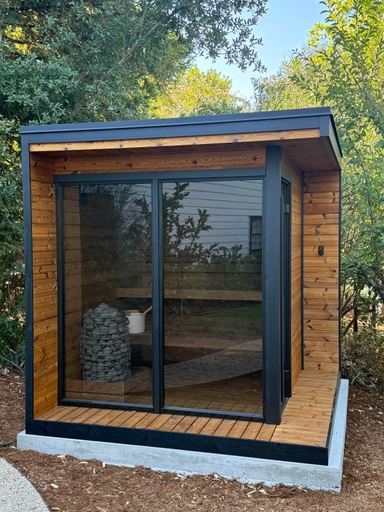
LOVE this suana. Maya and Norse Steam Team were amazing to work with!


The DuraVent CVS Kit Builder is a page for choosing the parts for a complete vent run. This is not a packaged DuraVent kit. There is no base price, just the total of your selections. CVS is DuraVent’s concentric vent: the exhaust runs up a 3 inch inner pipe while combustion air comes in through the 5 inch outer pipe around it. Start with any quantity of 6, 12, 24, or 36 inch pipe lengths in galvalume or painted black. The Build Your Chimney Kit row holds the connecting parts, supports, and caps for your route.
CVS serves pellet, corn, and biofuel stoves and inserts, plus gas appliances including condensing heaters and direct vent fireplaces. For direct vent gas, the appliance maker must name CVS and sets the run limits. Fixed pipe cannot be cut. Sliding telescoping lengths adjust from 9 to 12 inches or 12 to 18 inches to fill the gap. Allow for 1 1/4 inches lost inside each joint when totaling pipe lengths. Just need straight pipe? See the DuraVent CVS Vent Pipe Length. The DuraVent CVS Kit Builder ships free from My Cozy Outdoors with No Sales Tax (except WY) and the full manufacturer warranty.
SKU: 35CVS-06B
Applications
Concentric Venting System (CVS) (direct vent or two-pipe system) for use with condensing natural gas or propane Categories II, III and IV appliances or Canada’s Type BH Gas Vent Systems, (having a maximum rated operating temperature of 500°F). For use with Stoves and inserts of Type L gas, pellet, oil, corn and biofuel (Rated to a continuous use flue temperature up to 570°F). CVS can be used on a wide range of appliances, including: gas boilers, warm air furnaces, water heaters, unit heaters, tankless water heaters, pellet stoves, direct vent gas or propane stoves, heaters, and fireplaces.
Materials and Construction
Unitized concentric construction. Inner: Laser-welded UL approved 444 super-ferritic stainless steel .012″ Outer: Laser-welded, paintable, zincalume .018″ Silicone O-ring seals on inner liner and outer wall. Precision twist-lock connection on outer wall.
Clearances
CVS is listed to 0” clearance as a double-wall vent system for Category II, III, and IV appliances, for flue temperature of up to 400°F for horizontal enclosures, and up to 480°F for vertical enclosures. CVS must maintain 1” clearance to combustibles when used with pellet fuel. When CVS is used as a concentric/direct vent system on gas, the clearance to combustibles is specified by the appliance manufacturer.
Diameters
3″ inner and 5″ outer.
Listings
CVS vent pipe is listed to UL 1738 (MH25700) as a double-wall vent system for Category II, III and IV appliances. It is pressure rated to 10 WC for the inner pipe. This product is also intended to be used as a direct vent system for Listed to UL 1738 (DGSH.MH25700) and ULC S636 (DGSH7.MH25700). Pressure rated to 10” W.C. Listed to UL 641 (DFTX.MH8381), ULC S609 (DFTX7.MH8381), and ULC/ORD 441 (DFVAC.MH21150). Listed in combination with gas appliances, has been tested and listed as a decorative gas appliance system or as a direct vent heater system. Check with your appliance manufacturer for approval.
Refer to our Typical Venting Installation drawings to select the appropriate component parts for your installation.

Catalogs
Bulletins
Sales Sheets
Educational Papers
There is no base price; you assemble the 3 x 5 inch concentric vent from the two rows. The first row is the pipe: 6, 12, 24 or 36 inch lengths in galvalume or painted black, any quantity. The Build Your Chimney Kit row holds the telescoping lengths, elbows, tees, adapters, thimbles, supports, flashings and the vertical or horizontal terminations, each priced on the selector.
Condensing and non-condensing natural gas or propane appliances in Categories II, III and IV (boilers, furnaces, water heaters, unit heaters) and Type L stoves and inserts burning pellets, corn or biofuel. One concentric pipe carries exhaust in the 3-inch inner and combustion air in the 5-inch outer, so only one roof or wall penetration is needed. The appliance manual must approve it.
Zero inches when used as a double-wall vent for Category II, III and IV gas appliances, up to 400 F in horizontal enclosures and 480 F in vertical ones. For pellet fuel it must keep 1 inch of clearance and a wall thimble is required. As a direct vent on a gas stove or fireplace, the appliance manufacturer specifies the clearance.
No, CVS sections cannot be cut; use the 12-inch or 12 to 18 inch telescoping adjustable lengths instead. Joints twist-lock with O-ring seals on both the inner liner and the outer wall, so screws are not required except on the telescoping lengths and horizontal termination caps, and the joint can rotate 360 degrees to point elbows where needed.
Horizontal runs must rise at least 1/4 inch per foot away from the appliance so condensate drains back and heat does not collect. If the appliance requires a drain, add the Universal Condensate Drain from the parts row: it has a 3/8-inch outlet for plastic tubing and must be installed with a siphon loop, disposing of acidic condensate per local code.
Vertical Termination for a roof exit, Horizontal Termination Gas for a gas appliance through a wall, or Horizontal Termination Pellet for a pellet stove. Horizontal caps must meet the same distances as any direct vent: 12 inches above grade, clear of windows, soffits, air inlets and the gas regulator, per the appliance manual and NFPA 54 or NFPA 211.
The Pellet Adapter joins CVS to a pellet stove’s exhaust and air collars, and the Air Intake Manifold splits the concentric air path where an appliance needs a separate intake connection. Both come in galvalume or black. Add the wall thimble, trim plates and wall strap for a through-wall run; other components live in the CVS category.
Customer Reviews
What Our Customers Say
LOVE this suana. Maya and Norse Steam Team were amazing to work with!
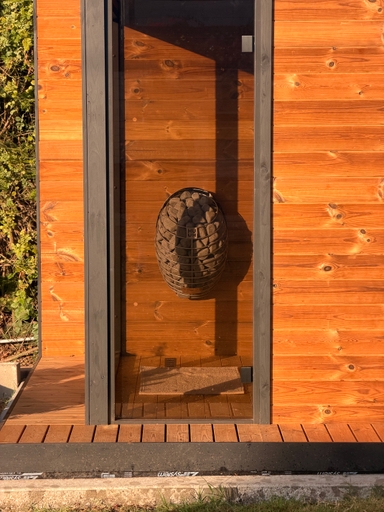
A sauna turns your garden into a spa oasis. We debated it for a while, but after renovating our house, we pulled the trigger and bought a sauna from Norse Steam and Maya. She was always super responsive and helpful throughout the process. Don't kid yourself, getting a really nice sauna is not that easy. Sizing and heating need to be figured out, as does the building, but we have always had a helpful partner on our side. She never upsold us on anything we didn't need, and we got some nice freebies when the sauna was delivered. And now we can really enjoy every moment in our garden.
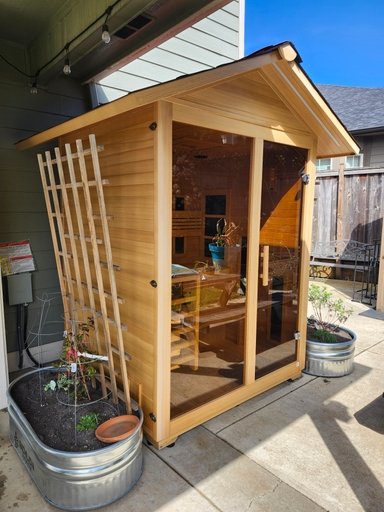
I'm really happy with my sauna purchase. Maya gave above and beyond excellent customer service. She wasn't pushy and gave impressive followup after the delivery to make sure everything was just right.
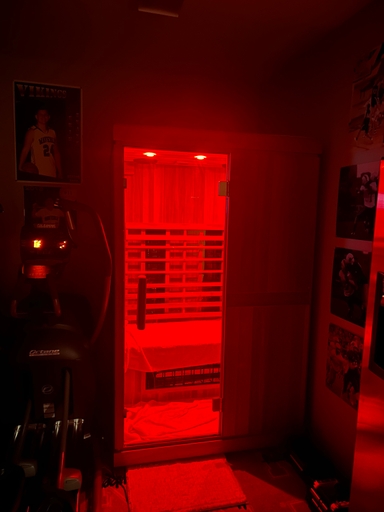
I enjoy my FD2 Sauna with Red Light, Infrared and radiant heat. Use it 5x a week and my post workout soreness is minimal and sleep great. Maya at Norse Steam was excellent to work with.
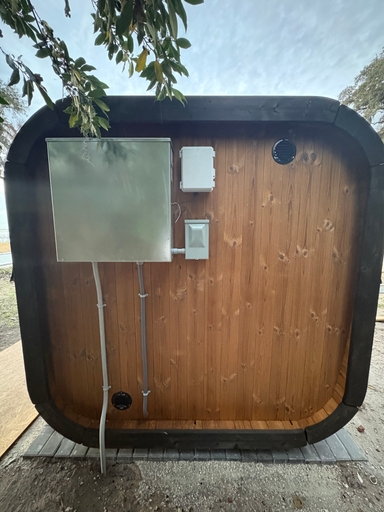
We purchased the 3-person sauna for our outdoor garden. We chose the cube sauna for the aesthetic and could not be happier.
I assembled by myself except for the 2 large panels (requires a few people). Instructions were good - took me two partial Saturdays to complete and a few hours to unpack and organize in advance of assembly. Had my elec. add a NEMA enclosure on the back for the controller and power for lights and a 2nd panel for the wireless control.
Customer service was excellent
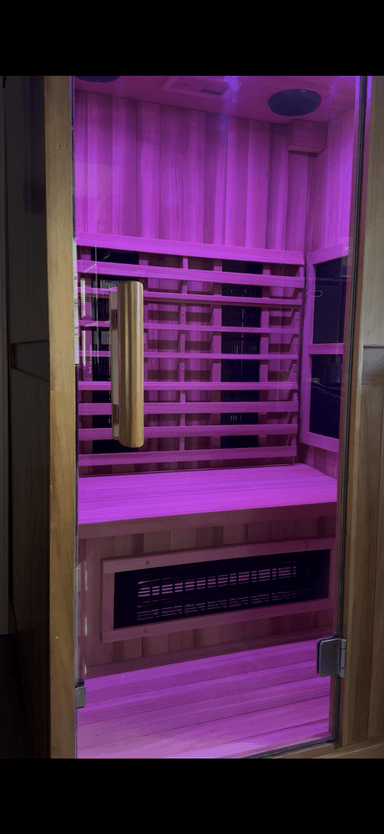
Awesome Sauna and Awesome Company and Experience purchasing it from Maya!
After much research I chose the Finnmark FD-2 and it has met and exceeded all my expectations! Easy to assemble and it functions great - just as advertised. I highly recommend it for home use!
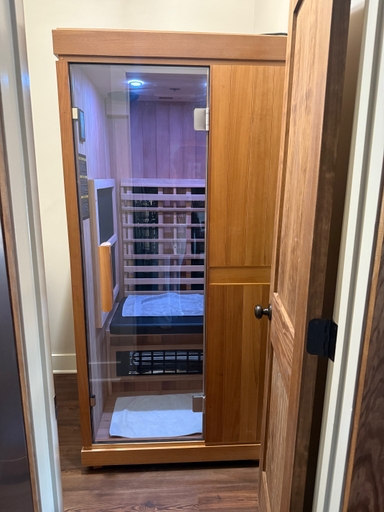
Recently purchased the Finnmark one person after much research. Extremely happy with it and the ordering process. Maya was very responsive and helpful during the process and keeping us updated while we waited for shipment. There were several places I could have ordered this, but i chose Norse Steam based on the communication and customer service which was fantastic. The shipment was also excellent. The setup was pretty seamless for two people - but the best part is the sauna experience 10/10
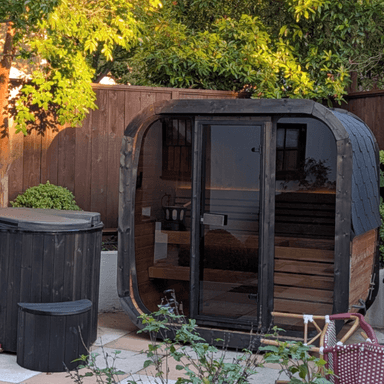
Maya is amazing - super helpful and responsive. Looked at many stores, these guys have the best prices and service. Highly recommend
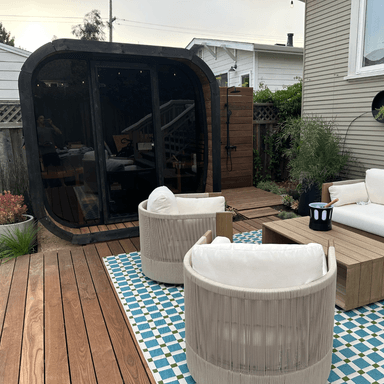
Norse Steam, and specifically Maya, were extremely helpful as I was making the decision for our Sauna. I was able to get all of the necessary details to make a decision as construction was happening in my backyard to make space for it.
We absolutely love the CL7G. It is extremely comfortable for 6 people (can fit more less comfortably). The Thermory Spruce and Aspen in the interior smells great. The lighting is lovely. We paired the CL7G with the Harvia Spirit 10.5kw.
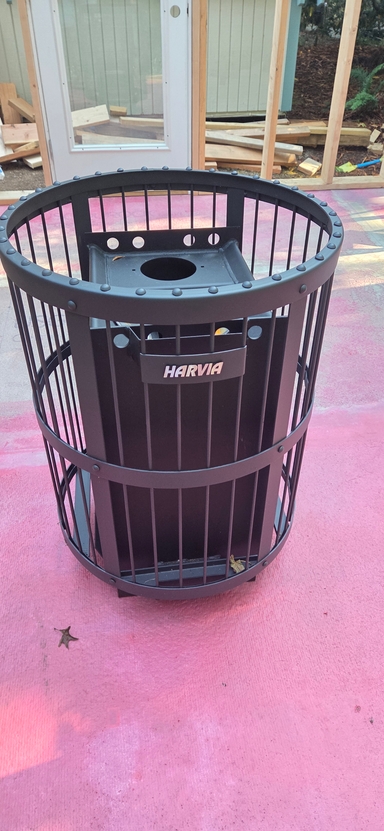
Had great experience shopping at Norse Steam for the new heater. They had very good deal, with rocks. Customer service was good, and responded very fast with my questions. Received the heater, and it looks good, and the quality seem to be great. Will install soon, and am very excited to start experiencing sauna the way it ment to be
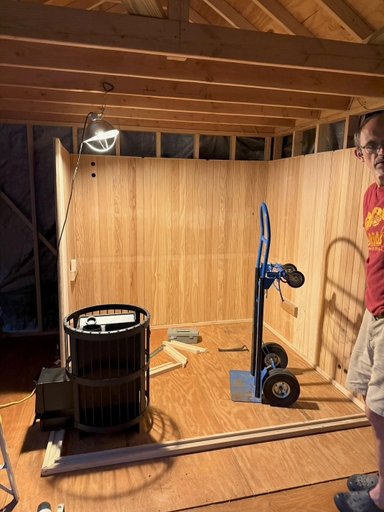
thanks Norse Steam for flawless transaction - I got instant replies on my questions, received competitive price on the wood stove and got it delivered within two weeks!
Can highly recommend Norse Steam for others.
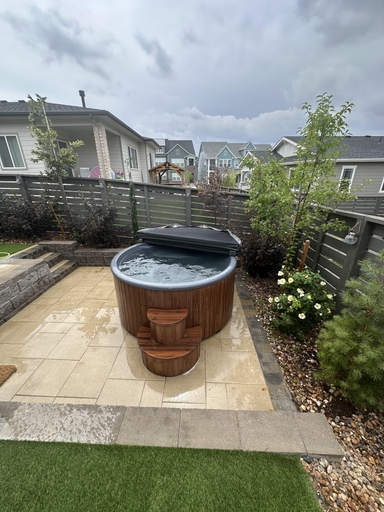
I got the Norse Steam SaunaLife wood-fired hot tub, the S4N model, and its been seriously great. It heats up quicker than I expected, usually around an hour and a half, and once its hot, it stays that way for a good long while. The wood-fired system is simple to use, and honestly kind of fun.
The tub itself feels solid and well put together. The thermo-spruce exterior looks beautiful in person, and the fiberglass interior is smooth, deep, and easy to clean. Its the kind of setup that just works without a bunch of fuss, which I really appreciate.
Also, the team at Norse Steam was genuinely great to work with. Super helpful, quick to respond, and made the process really easy from start to finish. It felt like they actually cared that I was happy with it. The tub has totally become a go-to way to unwind, and I wouldnt change a thing.
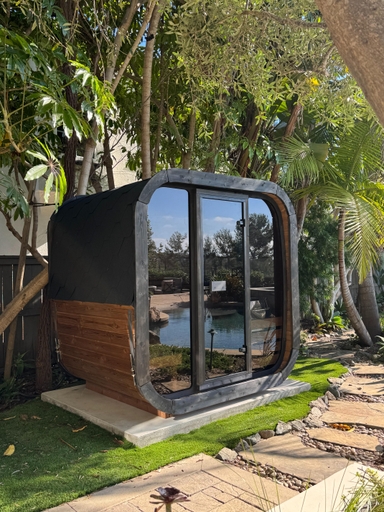
Maya was so knowledgeable and responsive. She helped me understand the product options and found a fantastic solution that fit our needs. Her follow through was very helpful and made us comfortable with our decision. We are extremely happy with the end result!
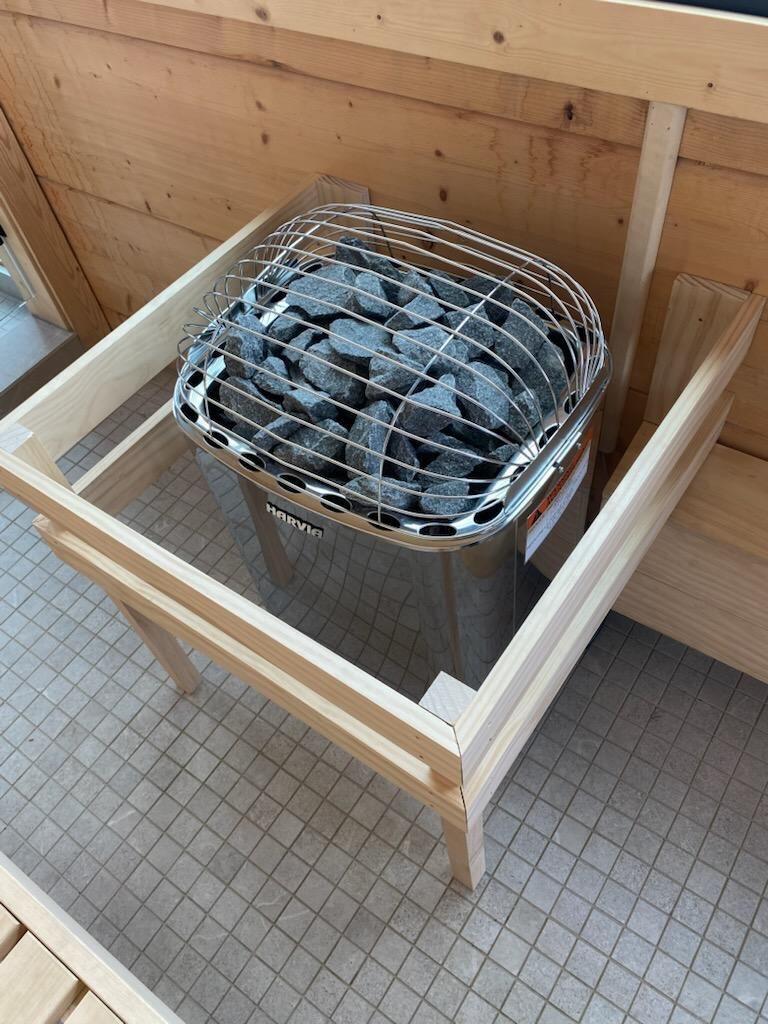
I recently purchased the Harvia Club sauna equipment, and I am thoroughly impressed with both the product and the customer service experience. The heaters robust performance and durable stainless steel construction make it ideal for larger sauna spaces, providing consistent heat and a relaxing environment. Its compatibility with advanced controls ensures a personalized sauna experience every time.
The customer service team was exceptional, prompt, knowledgeable, and helpful throughout the purchase process. They ensured smooth delivery and provided clear guidance on installation and operation. Overall, I highly recommend Harvia Club for anyone seeking premium-quality sauna equipment backed by excellent support!
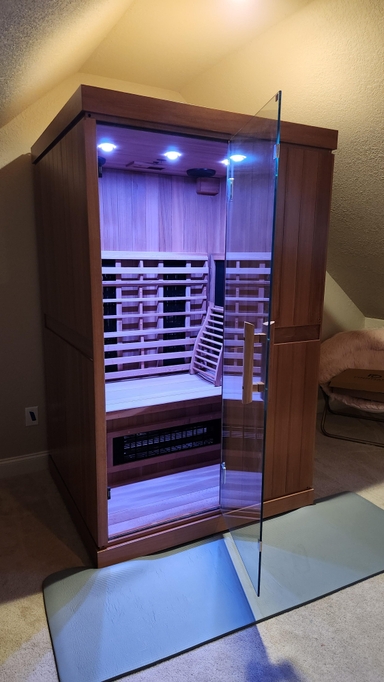
Great experience purchasing Finnmark FD-2 from Norse Steam. Good communication and easy to assemble. Temperature increases quickly (30 minutes or less to 140) and maintains well. So far this has been a great purchase.
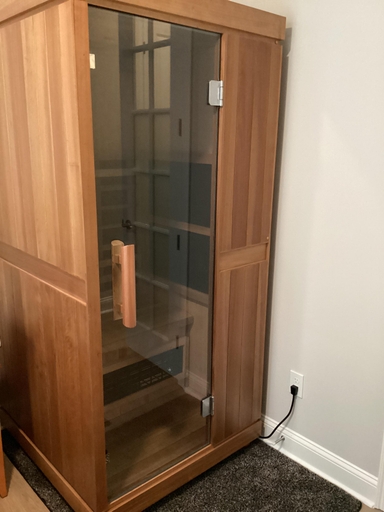
We purchased the Finnmark SD-1 sauna. Maya was extremely helpful with the purchase. We had an issue with the sauna not reaching the maximum temperature, and Maya connected us with the appropriate technician that explained how to correct the issue. The sauna now heats to the maximum temperature (170 degrees) in less than an hour, and it is a great unit. We are very happy with it, and we would definitely purchase from NorseSteam if we needed any other items.
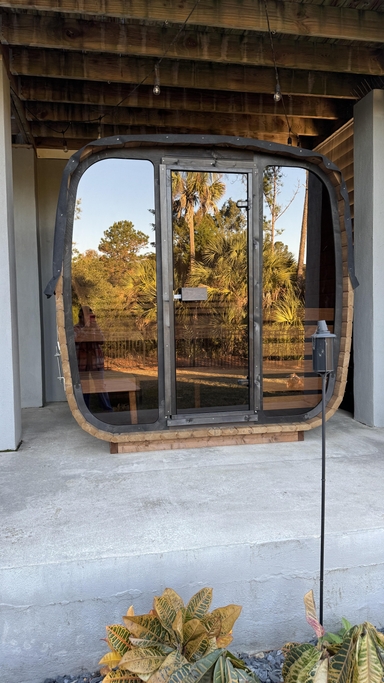
I recently purchased a sauna from Norse Steam, and I couldn't be more impressed with the entire experience. From start to finish, their customer service was exceptional, and Maya deserves special recognition for her outstanding support!
Maya was incredibly knowledgeable and patient, answering all my questions about the sauna features, installation process, and maintenance. She went above and beyond to ensure I selected the perfect model for my home. Even after the purchase, Maya followed up to make sure everything was running smoothly and that I was satisfied with my sauna.
The sauna itself is top-notch beautifully designed, durable, and easy to use. It's clear that Norse Steam takes pride in the quality of their products and their commitment to customer satisfaction.
If you're considering a sauna, I wholeheartedly recommend Norse Steam. With their excellent customer service and high-quality products, you're in great hands. Thank you, Maya, and the entire Norse Steam team for a fantastic experience!


Get In Touch
Call or Text us for our Best Price
It's important to us to go above and beyond for our clients and make sure you make the right decision for your home.
Customer Reviews

LOVE this suana. Maya and Norse Steam Team were amazing to work with!

A sauna turns your garden into a spa oasis. We debated it for a while, but after renovating our house, we pulled the trigger and bought a sauna from Norse Steam and Maya. She was always super responsive and helpful throughout the process. Don't kid yourself, getting a really nice sauna is not that easy. Sizing and heating need to be figured out, as does the building, but we have always had a helpful partner on our side. She never upsold us on anything we didn't need, and we got some nice freebies when the sauna was delivered. And now we can really enjoy every moment in our garden.

I'm really happy with my sauna purchase. Maya gave above and beyond excellent customer service. She wasn't pushy and gave impressive followup after the delivery to make sure everything was just right.

I enjoy my FD2 Sauna with Red Light, Infrared and radiant heat. Use it 5x a week and my post workout soreness is minimal and sleep great. Maya at Norse Steam was excellent to work with.
got amazing support for all my questions, fast delivery, and the team even reached out to me after to make sure everything was in order. perfect experience. highly recommended.

We purchased the 3-person sauna for our outdoor garden. We chose the cube sauna for the aesthetic and could not be happier.
I assembled by myself except for the 2 large panels (requires a few people). Instructions were good - took me two partial Saturdays to complete and a few hours to unpack and organize in advance of assembly. Had my elec. add a NEMA enclosure on the back for the controller and power for lights and a 2nd panel for the wireless control.
Customer service was excellent
They really went above and beyond to get my sauna up and running. I would really recommend them for any of your needs.

Awesome Sauna and Awesome Company and Experience purchasing it from Maya!
After much research I chose the Finnmark FD-2 and it has met and exceeded all my expectations! Easy to assemble and it functions great - just as advertised. I highly recommend it for home use!

Recently purchased the Finnmark one person after much research. Extremely happy with it and the ordering process. Maya was very responsive and helpful during the process and keeping us updated while we waited for shipment. There were several places I could have ordered this, but i chose Norse Steam based on the communication and customer service which was fantastic. The shipment was also excellent. The setup was pretty seamless for two people - but the best part is the sauna experience 10/10

Maya is amazing - super helpful and responsive. Looked at many stores, these guys have the best prices and service. Highly recommend

Norse Steam, and specifically Maya, were extremely helpful as I was making the decision for our Sauna. I was able to get all of the necessary details to make a decision as construction was happening in my backyard to make space for it.
We absolutely love the CL7G. It is extremely comfortable for 6 people (can fit more less comfortably). The Thermory Spruce and Aspen in the interior smells great. The lighting is lovely. We paired the CL7G with the Harvia Spirit 10.5kw.

Had great experience shopping at Norse Steam for the new heater. They had very good deal, with rocks. Customer service was good, and responded very fast with my questions. Received the heater, and it looks good, and the quality seem to be great. Will install soon, and am very excited to start experiencing sauna the way it ment to be

thanks Norse Steam for flawless transaction - I got instant replies on my questions, received competitive price on the wood stove and got it delivered within two weeks!
Can highly recommend Norse Steam for others.

I got the Norse Steam SaunaLife wood-fired hot tub, the S4N model, and its been seriously great. It heats up quicker than I expected, usually around an hour and a half, and once its hot, it stays that way for a good long while. The wood-fired system is simple to use, and honestly kind of fun.
The tub itself feels solid and well put together. The thermo-spruce exterior looks beautiful in person, and the fiberglass interior is smooth, deep, and easy to clean. Its the kind of setup that just works without a bunch of fuss, which I really appreciate.
Also, the team at Norse Steam was genuinely great to work with. Super helpful, quick to respond, and made the process really easy from start to finish. It felt like they actually cared that I was happy with it. The tub has totally become a go-to way to unwind, and I wouldnt change a thing.
This is a terrific stove from Harvia and is top quality, as youd expect from a reputable brand thats been in the sauna business for so long. Doing business with Norse Steam was also a pleasure. The order was processed quickly, communications from the company kept me up to date with processing and shipping, and everything arrived in perfect condition. Even scheduling the freight delivery for the stove and stones was a piece of cake. Everything went very smoothly and I will surely do business with them again in the future. Thanks for making it so easy

Maya was so knowledgeable and responsive. She helped me understand the product options and found a fantastic solution that fit our needs. Her follow through was very helpful and made us comfortable with our decision. We are extremely happy with the end result!

I recently purchased the Harvia Club sauna equipment, and I am thoroughly impressed with both the product and the customer service experience. The heaters robust performance and durable stainless steel construction make it ideal for larger sauna spaces, providing consistent heat and a relaxing environment. Its compatibility with advanced controls ensures a personalized sauna experience every time.
The customer service team was exceptional, prompt, knowledgeable, and helpful throughout the purchase process. They ensured smooth delivery and provided clear guidance on installation and operation. Overall, I highly recommend Harvia Club for anyone seeking premium-quality sauna equipment backed by excellent support!

Great experience purchasing Finnmark FD-2 from Norse Steam. Good communication and easy to assemble. Temperature increases quickly (30 minutes or less to 140) and maintains well. So far this has been a great purchase.

We purchased the Finnmark SD-1 sauna. Maya was extremely helpful with the purchase. We had an issue with the sauna not reaching the maximum temperature, and Maya connected us with the appropriate technician that explained how to correct the issue. The sauna now heats to the maximum temperature (170 degrees) in less than an hour, and it is a great unit. We are very happy with it, and we would definitely purchase from NorseSteam if we needed any other items.

I recently purchased a sauna from Norse Steam, and I couldn't be more impressed with the entire experience. From start to finish, their customer service was exceptional, and Maya deserves special recognition for her outstanding support!
Maya was incredibly knowledgeable and patient, answering all my questions about the sauna features, installation process, and maintenance. She went above and beyond to ensure I selected the perfect model for my home. Even after the purchase, Maya followed up to make sure everything was running smoothly and that I was satisfied with my sauna.
The sauna itself is top-notch beautifully designed, durable, and easy to use. It's clear that Norse Steam takes pride in the quality of their products and their commitment to customer satisfaction.
If you're considering a sauna, I wholeheartedly recommend Norse Steam. With their excellent customer service and high-quality products, you're in great hands. Thank you, Maya, and the entire Norse Steam team for a fantastic experience!
Write a Review
DuraVent CVS Concentric Venting System- Customize your Kit
Thank you for your review!
Your review has been submitted and will appear on the site once it has been verified.


