


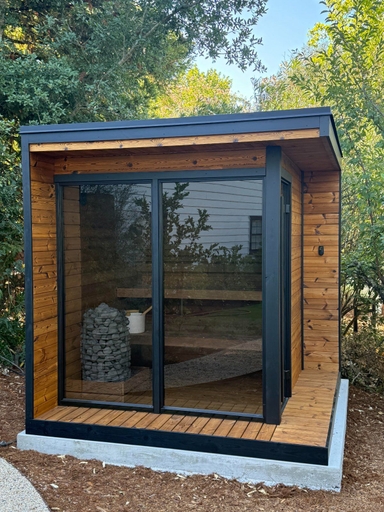
M
Excellent
LOVE this suana. Maya and Norse Steam Team were amazing to work with!


The Real Fyre Post Oak is a vented gas log set. Its compact logs copy post oak, with thick, heavy bark. The look suits a casual room rather than a formal one. It is a vented set, so it needs a real fireplace with a working chimney and burns with the damper open. You get the tallest and most natural flames, and most of the heat goes up the chimney. It comes in 18, 20, 24, or 30 inch sets. Measure your firebox at the front, at the back, and front to back, and if you land between two sizes, take the smaller set.
Each log is molded from a real piece of wood, cast in a ceramic made for high heat with a steel rod inside, and painted by hand. The price is for the logs only. On the page you pick natural gas or propane and add the burner. The choices are the G45, the G45 in stainless steel for an outdoor fireplace, or the G46, which hides its controls. You also pick how it lights: by hand with a match on natural gas, with a knob and a pilot light that stays lit, or with a remote. A Fyreback, a steel panel that stands behind the fire, is optional. Want another oak look? See the Real Fyre Rugged Oak vented gas log set. The Real Fyre Post Oak ships free from My Cozy Outdoors with No Sales Tax (except WY) and the full manufacturer warranty.
SKU: PO-18 | PO-20 | PO-24 | PO-30
Product Sizes

** Check your local codes for your area requirements.
* For use with CHMJ-60, CHMJ-72, & RDP-60
Post oak is a dense, sturdy hardwood, and this set captures that character: stout, compact logs with heavy bark texture rather than long elegant timbers. If you want a fire that looks like a hardworking hardwood burn instead of a formal showpiece, the PO stack is the Classic Series answer.
Four vented options appear on the spec: G4, G45, G45 stainless steel, and G46. All are configured with the Post Oak logs at purchase for natural gas or propane, and your choice determines BTU rating, ignition style, and controls, so decide how you want to operate the fire before you order.
Three things move the number more than anything else: the width you need, the burner system underneath, and the control package. A 30-inch PO on a G46 with remote-ready electronic controls costs meaningfully more than an 18-inch match-lit G4 setup. The logs themselves are the smaller variable, so budget around burner and controls first.
Four sizes: 18, 20, 24, and 30 inches. That range skews compact, which makes the PO a strong candidate for smaller and mid-size fireboxes where a 36-inch stack simply will not fit. As always with vented logs, take the smaller set when your firebox measurement lands between two options.
Gas use tracks the burner and how high you run it, not the logs. A vented burner under the PO uses more fuel than a ventless heater because it prioritizes flame over efficiency, but most owners burn it for ambiance a few hours at a time rather than all day. Turning the valve down stretches vented gas logs a long way.
Installed correctly, yes. The PO runs vented, with an open damper and the chimney doing exactly what it was built to do. Have a professional make the gas connection, fit a damper clamp, and keep the hearth clear, and you get a controllable fire with no popping embers or stray sparks, which is one real advantage over burning cordwood.
Yes, that direction works: a vent-free set may be installed in a vented fireplace, though local codes decide whether vent-free is allowed at all in your area. The reverse is forbidden, and the Post Oak is firmly on the vented side, so it always operates with the damper open and the flue in service.

Choose from a wide selection of the most beautiful looking gas fire products available, designed for externally vented fireplaces (chimneys). Real Fyre traditional gas logs are hand crafted and hand painted to be incredibly realistic, and equally beautiful with or without a fire burning.
Real Fyre vented gas logs are made for fireplaces with a working chimney. Each set is hand crafted and hand painted, so the logs look like real seasoned wood whether the fire is lit or not. Turn it on for an instant, full-bodied fire — no hauling wood, no ash to clean up.


Every Real Fyre series has its own character. Start with the look you love, then pick the size, fuel type and control options on the product page.

Charred Series
Experience the pinnacle of realistic-looking log sets with mature burned-through fire.

Classic Series
All the beauty of a wood fire, and all the benefits of a gas fire.

Designer Series
Artistry that captures the realism, texture, and nuances of nature.

Flame Enhanced Gas Logs
Elegantly combines the popular Flame Enhancer Kit with premium gas logs in one convenient, all-in-one package.

G31 Three-Tiered System
A three-tiered burner system that creates high and full-bodied flames while using fewer BTUs.

G52 Radiant Fyre
An exclusive stainless steel booster grid acts as a catalyst to increase the intensity of the fire and the glow of the logs.
Real Fyre logs look at home in every kind of fireplace — from carved marble and painted brick to rustic stone. Click any photo to enlarge.


Choose your series, size, fuel type and control options right on the product page — with free shipping and no sales tax (except WY).
Customer Reviews
What Our Customers Say
LOVE this suana. Maya and Norse Steam Team were amazing to work with!
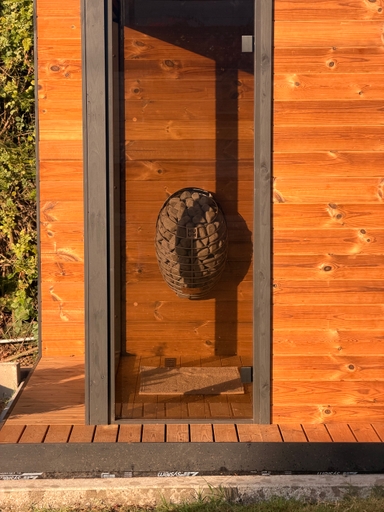
A sauna turns your garden into a spa oasis. We debated it for a while, but after renovating our house, we pulled the trigger and bought a sauna from Norse Steam and Maya. She was always super responsive and helpful throughout the process. Don't kid yourself, getting a really nice sauna is not that easy. Sizing and heating need to be figured out, as does the building, but we have always had a helpful partner on our side. She never upsold us on anything we didn't need, and we got some nice freebies when the sauna was delivered. And now we can really enjoy every moment in our garden.
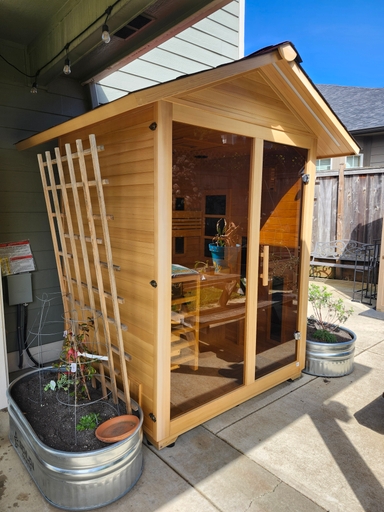
I'm really happy with my sauna purchase. Maya gave above and beyond excellent customer service. She wasn't pushy and gave impressive followup after the delivery to make sure everything was just right.
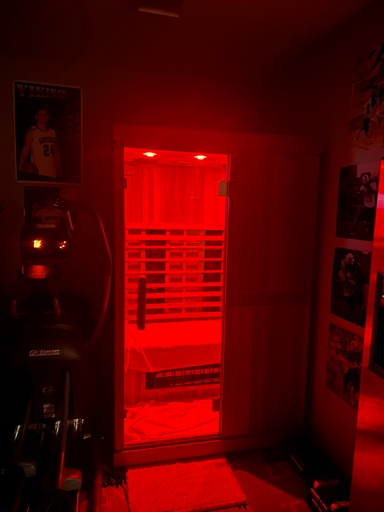
I enjoy my FD2 Sauna with Red Light, Infrared and radiant heat. Use it 5x a week and my post workout soreness is minimal and sleep great. Maya at Norse Steam was excellent to work with.
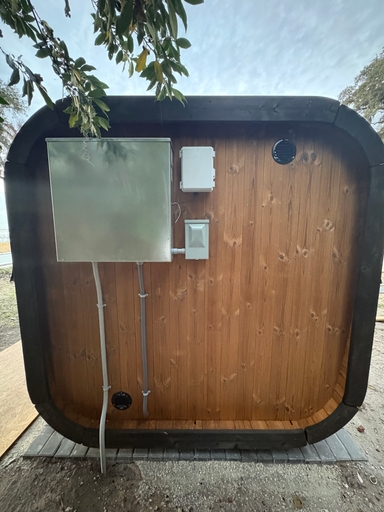
We purchased the 3-person sauna for our outdoor garden. We chose the cube sauna for the aesthetic and could not be happier.
I assembled by myself except for the 2 large panels (requires a few people). Instructions were good - took me two partial Saturdays to complete and a few hours to unpack and organize in advance of assembly. Had my elec. add a NEMA enclosure on the back for the controller and power for lights and a 2nd panel for the wireless control.
Customer service was excellent
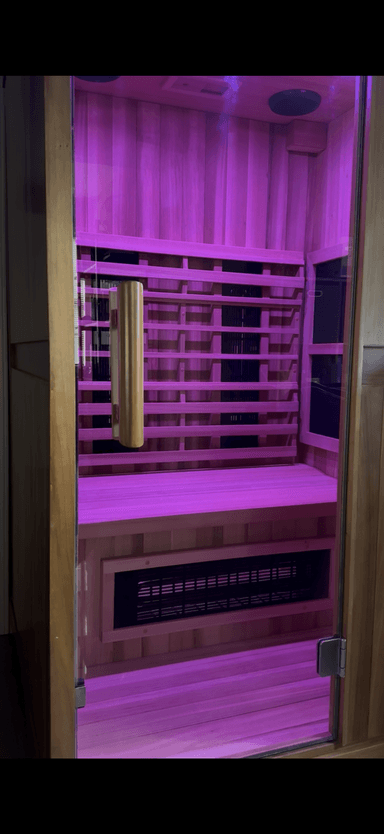
Awesome Sauna and Awesome Company and Experience purchasing it from Maya!
After much research I chose the Finnmark FD-2 and it has met and exceeded all my expectations! Easy to assemble and it functions great - just as advertised. I highly recommend it for home use!
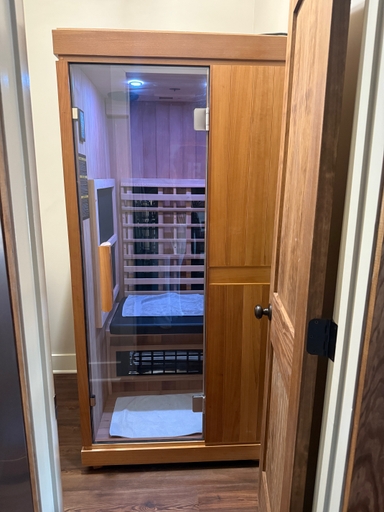
Recently purchased the Finnmark one person after much research. Extremely happy with it and the ordering process. Maya was very responsive and helpful during the process and keeping us updated while we waited for shipment. There were several places I could have ordered this, but i chose Norse Steam based on the communication and customer service which was fantastic. The shipment was also excellent. The setup was pretty seamless for two people - but the best part is the sauna experience 10/10
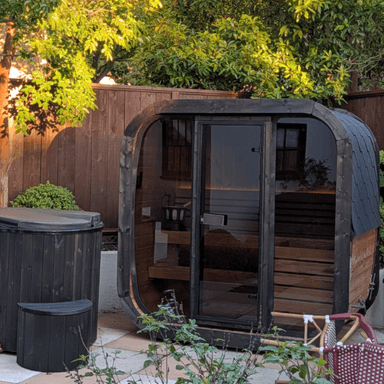
Maya is amazing - super helpful and responsive. Looked at many stores, these guys have the best prices and service. Highly recommend
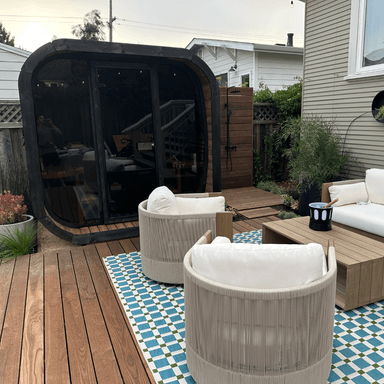
Norse Steam, and specifically Maya, were extremely helpful as I was making the decision for our Sauna. I was able to get all of the necessary details to make a decision as construction was happening in my backyard to make space for it.
We absolutely love the CL7G. It is extremely comfortable for 6 people (can fit more less comfortably). The Thermory Spruce and Aspen in the interior smells great. The lighting is lovely. We paired the CL7G with the Harvia Spirit 10.5kw.
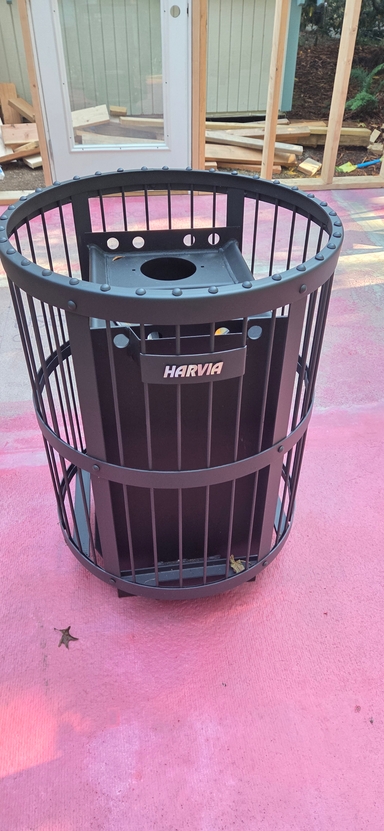
Had great experience shopping at Norse Steam for the new heater. They had very good deal, with rocks. Customer service was good, and responded very fast with my questions. Received the heater, and it looks good, and the quality seem to be great. Will install soon, and am very excited to start experiencing sauna the way it ment to be
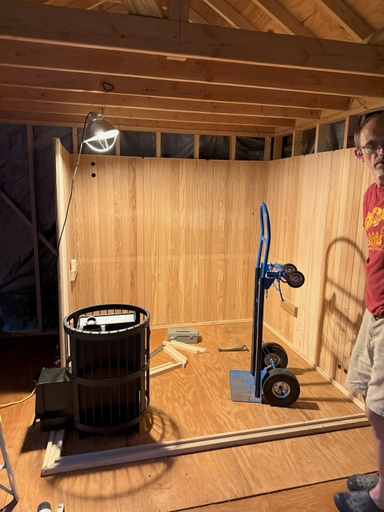
thanks Norse Steam for flawless transaction - I got instant replies on my questions, received competitive price on the wood stove and got it delivered within two weeks!
Can highly recommend Norse Steam for others.
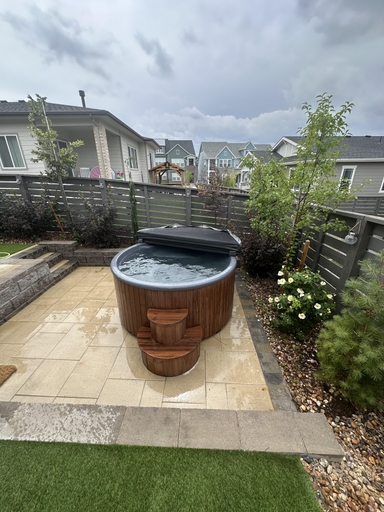
I got the Norse Steam SaunaLife wood-fired hot tub, the S4N model, and its been seriously great. It heats up quicker than I expected, usually around an hour and a half, and once its hot, it stays that way for a good long while. The wood-fired system is simple to use, and honestly kind of fun.
The tub itself feels solid and well put together. The thermo-spruce exterior looks beautiful in person, and the fiberglass interior is smooth, deep, and easy to clean. Its the kind of setup that just works without a bunch of fuss, which I really appreciate.
Also, the team at Norse Steam was genuinely great to work with. Super helpful, quick to respond, and made the process really easy from start to finish. It felt like they actually cared that I was happy with it. The tub has totally become a go-to way to unwind, and I wouldnt change a thing.
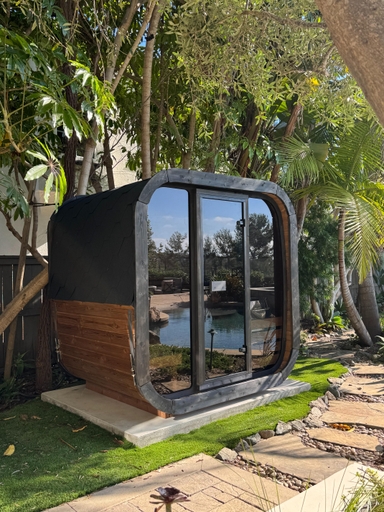
Maya was so knowledgeable and responsive. She helped me understand the product options and found a fantastic solution that fit our needs. Her follow through was very helpful and made us comfortable with our decision. We are extremely happy with the end result!
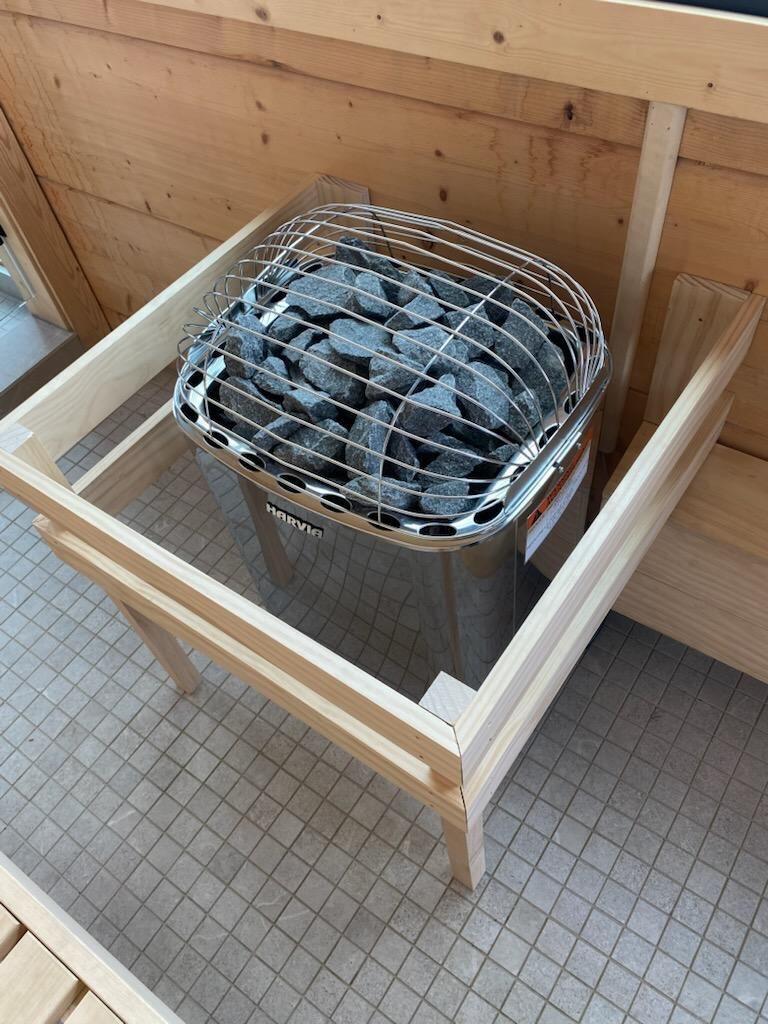
I recently purchased the Harvia Club sauna equipment, and I am thoroughly impressed with both the product and the customer service experience. The heaters robust performance and durable stainless steel construction make it ideal for larger sauna spaces, providing consistent heat and a relaxing environment. Its compatibility with advanced controls ensures a personalized sauna experience every time.
The customer service team was exceptional, prompt, knowledgeable, and helpful throughout the purchase process. They ensured smooth delivery and provided clear guidance on installation and operation. Overall, I highly recommend Harvia Club for anyone seeking premium-quality sauna equipment backed by excellent support!
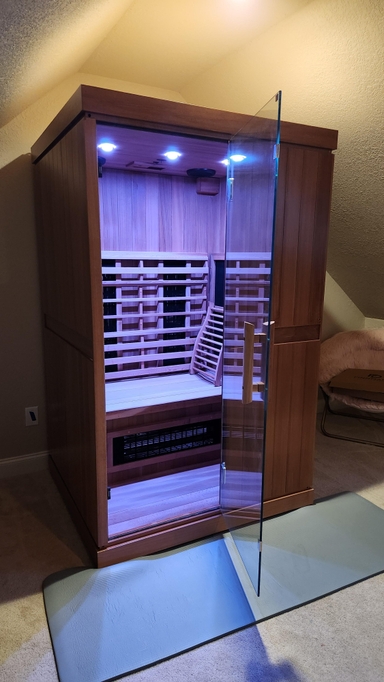
Great experience purchasing Finnmark FD-2 from Norse Steam. Good communication and easy to assemble. Temperature increases quickly (30 minutes or less to 140) and maintains well. So far this has been a great purchase.
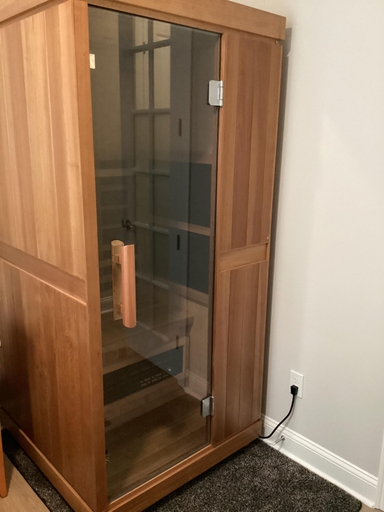
We purchased the Finnmark SD-1 sauna. Maya was extremely helpful with the purchase. We had an issue with the sauna not reaching the maximum temperature, and Maya connected us with the appropriate technician that explained how to correct the issue. The sauna now heats to the maximum temperature (170 degrees) in less than an hour, and it is a great unit. We are very happy with it, and we would definitely purchase from NorseSteam if we needed any other items.
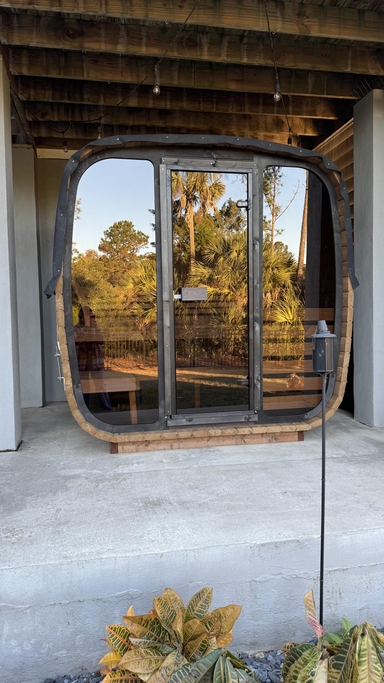
I recently purchased a sauna from Norse Steam, and I couldn't be more impressed with the entire experience. From start to finish, their customer service was exceptional, and Maya deserves special recognition for her outstanding support!
Maya was incredibly knowledgeable and patient, answering all my questions about the sauna features, installation process, and maintenance. She went above and beyond to ensure I selected the perfect model for my home. Even after the purchase, Maya followed up to make sure everything was running smoothly and that I was satisfied with my sauna.
The sauna itself is top-notch beautifully designed, durable, and easy to use. It's clear that Norse Steam takes pride in the quality of their products and their commitment to customer satisfaction.
If you're considering a sauna, I wholeheartedly recommend Norse Steam. With their excellent customer service and high-quality products, you're in great hands. Thank you, Maya, and the entire Norse Steam team for a fantastic experience!

Get In Touch
Call or Text us for our Best Price
It's important to us to go above and beyond for our clients and make sure you make the right decision for your home.
Customer Reviews

LOVE this suana. Maya and Norse Steam Team were amazing to work with!

A sauna turns your garden into a spa oasis. We debated it for a while, but after renovating our house, we pulled the trigger and bought a sauna from Norse Steam and Maya. She was always super responsive and helpful throughout the process. Don't kid yourself, getting a really nice sauna is not that easy. Sizing and heating need to be figured out, as does the building, but we have always had a helpful partner on our side. She never upsold us on anything we didn't need, and we got some nice freebies when the sauna was delivered. And now we can really enjoy every moment in our garden.

I'm really happy with my sauna purchase. Maya gave above and beyond excellent customer service. She wasn't pushy and gave impressive followup after the delivery to make sure everything was just right.

I enjoy my FD2 Sauna with Red Light, Infrared and radiant heat. Use it 5x a week and my post workout soreness is minimal and sleep great. Maya at Norse Steam was excellent to work with.
got amazing support for all my questions, fast delivery, and the team even reached out to me after to make sure everything was in order. perfect experience. highly recommended.

We purchased the 3-person sauna for our outdoor garden. We chose the cube sauna for the aesthetic and could not be happier.
I assembled by myself except for the 2 large panels (requires a few people). Instructions were good - took me two partial Saturdays to complete and a few hours to unpack and organize in advance of assembly. Had my elec. add a NEMA enclosure on the back for the controller and power for lights and a 2nd panel for the wireless control.
Customer service was excellent
They really went above and beyond to get my sauna up and running. I would really recommend them for any of your needs.

Awesome Sauna and Awesome Company and Experience purchasing it from Maya!
After much research I chose the Finnmark FD-2 and it has met and exceeded all my expectations! Easy to assemble and it functions great - just as advertised. I highly recommend it for home use!

Recently purchased the Finnmark one person after much research. Extremely happy with it and the ordering process. Maya was very responsive and helpful during the process and keeping us updated while we waited for shipment. There were several places I could have ordered this, but i chose Norse Steam based on the communication and customer service which was fantastic. The shipment was also excellent. The setup was pretty seamless for two people - but the best part is the sauna experience 10/10

Maya is amazing - super helpful and responsive. Looked at many stores, these guys have the best prices and service. Highly recommend

Norse Steam, and specifically Maya, were extremely helpful as I was making the decision for our Sauna. I was able to get all of the necessary details to make a decision as construction was happening in my backyard to make space for it.
We absolutely love the CL7G. It is extremely comfortable for 6 people (can fit more less comfortably). The Thermory Spruce and Aspen in the interior smells great. The lighting is lovely. We paired the CL7G with the Harvia Spirit 10.5kw.

Had great experience shopping at Norse Steam for the new heater. They had very good deal, with rocks. Customer service was good, and responded very fast with my questions. Received the heater, and it looks good, and the quality seem to be great. Will install soon, and am very excited to start experiencing sauna the way it ment to be

thanks Norse Steam for flawless transaction - I got instant replies on my questions, received competitive price on the wood stove and got it delivered within two weeks!
Can highly recommend Norse Steam for others.

I got the Norse Steam SaunaLife wood-fired hot tub, the S4N model, and its been seriously great. It heats up quicker than I expected, usually around an hour and a half, and once its hot, it stays that way for a good long while. The wood-fired system is simple to use, and honestly kind of fun.
The tub itself feels solid and well put together. The thermo-spruce exterior looks beautiful in person, and the fiberglass interior is smooth, deep, and easy to clean. Its the kind of setup that just works without a bunch of fuss, which I really appreciate.
Also, the team at Norse Steam was genuinely great to work with. Super helpful, quick to respond, and made the process really easy from start to finish. It felt like they actually cared that I was happy with it. The tub has totally become a go-to way to unwind, and I wouldnt change a thing.
This is a terrific stove from Harvia and is top quality, as youd expect from a reputable brand thats been in the sauna business for so long. Doing business with Norse Steam was also a pleasure. The order was processed quickly, communications from the company kept me up to date with processing and shipping, and everything arrived in perfect condition. Even scheduling the freight delivery for the stove and stones was a piece of cake. Everything went very smoothly and I will surely do business with them again in the future. Thanks for making it so easy

Maya was so knowledgeable and responsive. She helped me understand the product options and found a fantastic solution that fit our needs. Her follow through was very helpful and made us comfortable with our decision. We are extremely happy with the end result!

I recently purchased the Harvia Club sauna equipment, and I am thoroughly impressed with both the product and the customer service experience. The heaters robust performance and durable stainless steel construction make it ideal for larger sauna spaces, providing consistent heat and a relaxing environment. Its compatibility with advanced controls ensures a personalized sauna experience every time.
The customer service team was exceptional, prompt, knowledgeable, and helpful throughout the purchase process. They ensured smooth delivery and provided clear guidance on installation and operation. Overall, I highly recommend Harvia Club for anyone seeking premium-quality sauna equipment backed by excellent support!

Great experience purchasing Finnmark FD-2 from Norse Steam. Good communication and easy to assemble. Temperature increases quickly (30 minutes or less to 140) and maintains well. So far this has been a great purchase.

We purchased the Finnmark SD-1 sauna. Maya was extremely helpful with the purchase. We had an issue with the sauna not reaching the maximum temperature, and Maya connected us with the appropriate technician that explained how to correct the issue. The sauna now heats to the maximum temperature (170 degrees) in less than an hour, and it is a great unit. We are very happy with it, and we would definitely purchase from NorseSteam if we needed any other items.

I recently purchased a sauna from Norse Steam, and I couldn't be more impressed with the entire experience. From start to finish, their customer service was exceptional, and Maya deserves special recognition for her outstanding support!
Maya was incredibly knowledgeable and patient, answering all my questions about the sauna features, installation process, and maintenance. She went above and beyond to ensure I selected the perfect model for my home. Even after the purchase, Maya followed up to make sure everything was running smoothly and that I was satisfied with my sauna.
The sauna itself is top-notch beautifully designed, durable, and easy to use. It's clear that Norse Steam takes pride in the quality of their products and their commitment to customer satisfaction.
If you're considering a sauna, I wholeheartedly recommend Norse Steam. With their excellent customer service and high-quality products, you're in great hands. Thank you, Maya, and the entire Norse Steam team for a fantastic experience!
Write a Review
Real Fyre Post Oak Vented Gas Log – PO
Thank you for your review!
Your review has been submitted and will appear on the site once it has been verified.


